Article Abstract
Kitchen tissue is an essential daily-use product in both households and commercial kitchens. However, many buyers face common challenges such as poor absorbency, low wet strength, excessive lint, or uncertainty about safety when in contact with food. This article provides a structured and practical guide to selecting the right kitchen tissue by examining material composition, performance characteristics, hygiene standards, and application scenarios. The goal is to help decision-makers choose products that balance efficiency, safety, cost control, and sustainability.
Table of Contents
Content Outline
-
Understanding real-world kitchen tissue applications
-
Identifying performance indicators that matter
-
Comparing raw materials and manufacturing approaches
-
Matching product specifications with usage needs
-
Reducing waste and improving hygiene efficiency
Common Customer Pain Points
-
Kitchen tissue breaks apart when wet, causing cleaning inefficiency
-
Low oil absorption leads to excessive usage and higher costs
-
Unclear whether the tissue is safe for direct food contact
-
Excessive paper dust contaminates food preparation areas
-
Inconsistent quality across different batches
These issues often result in increased operational costs, reduced hygiene standards, and dissatisfaction among end users. A structured selection approach helps prevent these outcomes.
What Is Kitchen Tissue
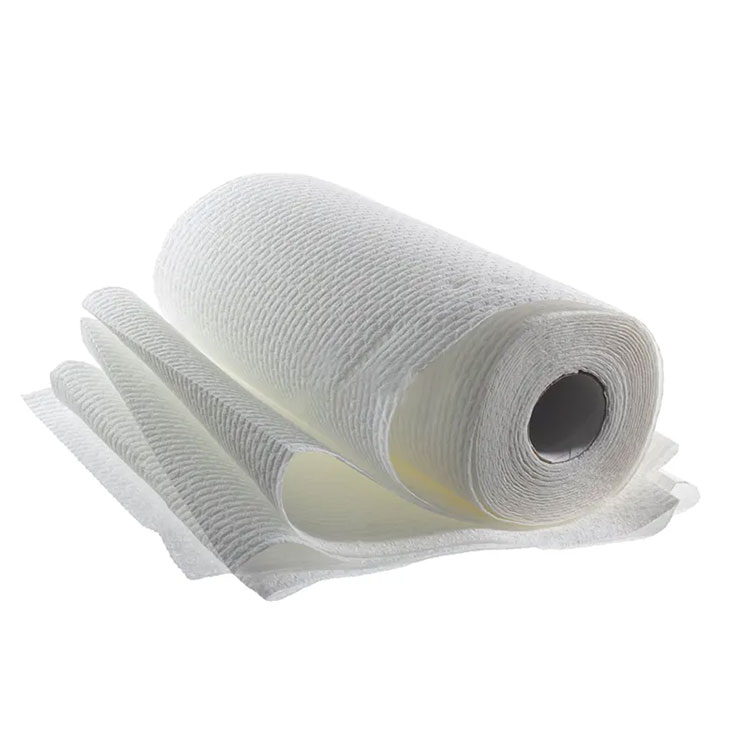
Kitchen tissue is a specially engineered paper product designed for food-related environments. Unlike ordinary facial or toilet paper, it is developed to deliver higher wet strength, superior absorbency, and resistance to tearing when exposed to oil or water. Kitchen tissue is commonly used for wiping countertops, absorbing grease, drying hands, and handling food preparation tools.
High-quality kitchen tissue is typically produced from virgin wood pulp or carefully controlled recycled fibers and undergoes strict processing to ensure cleanliness and consistency.
Key Selection Criteria
-
Absorbency: Ability to quickly absorb water, oil, and mixed liquids
-
Wet Strength: Resistance to tearing after absorbing moisture
-
Lint Control: Minimal paper dust during wiping
-
Food Safety: No harmful residues or unpleasant odors
-
Softness and Texture: Comfortable handling without compromising durability
Material Comparison Table
|
Material Type
|
Advantages
|
Limitations
|
Recommended Use
|
|
Virgin Wood Pulp
|
High absorbency, strong wet performance, clean texture
|
Higher production cost
|
Home kitchens, food processing areas
|
|
Blended Pulp
|
Balanced cost and performance
|
Quality depends on processing control
|
Restaurants, catering services
|
|
Recycled Fiber
|
Cost-efficient, resource-saving
|
Lower softness and absorbency
|
Non-direct food contact cleaning
|
Typical Usage Scenarios
-
Absorbing cooking oil from pans and fried foods
-
Wiping kitchen countertops and preparation tables
-
Drying vegetables, meat, and kitchen utensils
-
Maintaining cleanliness in commercial food service operations
Selecting kitchen tissue based on actual usage frequency and contamination level helps reduce waste while maintaining hygiene standards.
Quality and Safety Considerations
Kitchen tissue frequently comes into indirect or direct contact with food. Therefore, manufacturing hygiene, fiber purity, and odor control are critical. Reliable suppliers implement controlled pulping processes, standardized quality inspection, and stable production parameters to ensure consistency.
Products with uniform thickness, neutral smell, and consistent tensile strength typically indicate stable quality management.
Cost and Supply Efficiency
While unit price is important, overall cost efficiency depends on absorption efficiency and durability. A tissue with higher absorbency often reduces the number of sheets required per task, leading to lower long-term consumption. For commercial buyers, stable supply capacity and consistent specifications also play a key role in operational planning.
Frequently Asked Questions
Is kitchen tissue suitable for direct food contact?
High-quality kitchen tissue made from clean pulp and processed under controlled conditions can be used for light food contact such as oil absorption or drying washed produce.
How is kitchen tissue different from regular paper towels?
Kitchen tissue is optimized for higher wet strength and oil absorption, while standard paper towels may focus more on softness and general cleaning.
How can overconsumption of kitchen tissue be reduced?
Choosing products with better absorbency and tensile strength reduces the number of sheets required per task, improving overall efficiency.
Conclusion
Choosing the right kitchen tissue requires more than comparing prices. Material quality, absorbency, wet strength, hygiene control, and usage scenarios all directly influence performance and cost efficiency. A well-matched product improves cleanliness, reduces waste, and supports smooth kitchen operations in both household and commercial environments.
Ranjin focuses on delivering stable and application-oriented kitchen tissue solutions for diverse market needs. For customized specifications, bulk supply inquiries, or product consultation, contact us to explore reliable kitchen tissue options tailored to your requirements.