Article Summary
Disposable Nursing Pads are designed to address common hygiene, comfort, and efficiency challenges faced in daily care scenarios such as infant care, elderly care, post-surgery recovery, and medical environments. This article explains how Disposable Nursing Pads work, what problems they solve, how to choose the right type, and why they are increasingly trusted in both professional and home-care settings.
Table of Contents
Article Outline
-
Understanding care-related hygiene and protection challenges
-
Structural design of Disposable Nursing Pads
-
Functional advantages in real-world use
-
Application in home care and professional care environments
-
Selection guidance and usage considerations
Common Care Pain Points
In nursing and daily care environments, maintaining cleanliness and comfort is a persistent challenge. Many caregivers face issues such as frequent leaks, skin irritation, time-consuming cleaning, and cross-contamination risks. These problems are especially common during infant diaper changes, elderly incontinence care, and post-operative recovery.
Traditional cloth-based solutions often require repeated washing, which increases labor, water consumption, and hygiene risks. In medical or high-frequency care settings, these limitations can reduce efficiency and compromise comfort.
How Disposable Nursing Pads Work
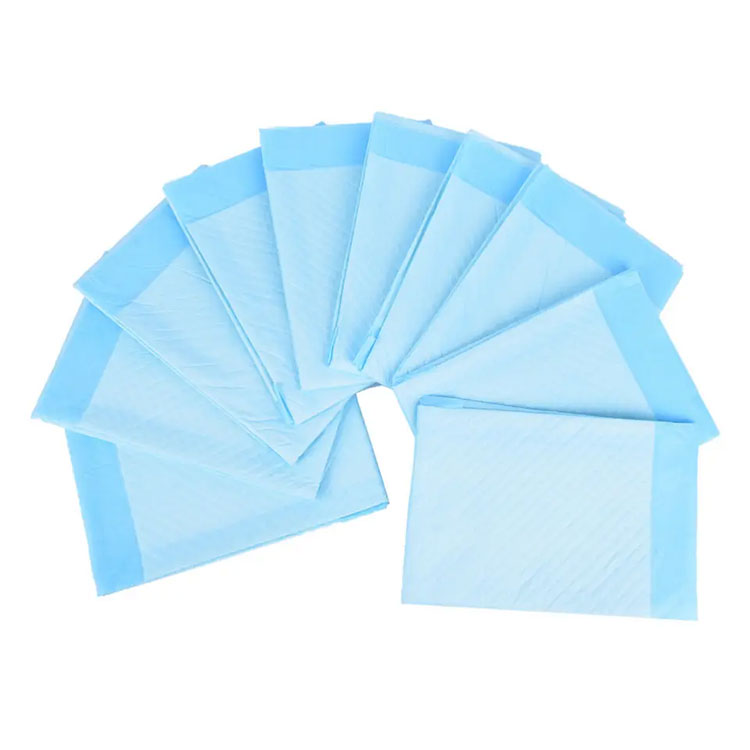
Disposable Nursing Pads are engineered with a multi-layer structure designed to absorb fluids quickly, lock in moisture, and create a protective barrier between the user and surrounding surfaces. Once used, the pad can be safely disposed of, minimizing handling and reducing contamination risks.
By eliminating the need for laundering and repeated reuse, Disposable Nursing Pads simplify care routines while improving hygiene control. This is particularly beneficial in environments where cleanliness and time efficiency are critical.
Key Features and Functional Structure
|
Layer
|
Function
|
|
Soft Top Layer
|
Provides skin-friendly contact and quick liquid penetration
|
|
Absorbent Core
|
Rapidly absorbs and retains fluids to prevent backflow
|
|
Leak-Proof Bottom Layer
|
Protects beds, chairs, and surfaces from moisture damage
|
|
Anti-Slip Design
|
Helps keep the pad securely in place during use
|
Manufacturers such as Ranjin focus on material selection and structural balance to ensure each layer performs efficiently without sacrificing comfort or reliability.
Main Application Scenarios
-
Infant diaper changing and feeding areas
-
Elderly incontinence care at home or in care facilities
-
Hospital beds, examination tables, and recovery rooms
-
Post-surgical wound care protection
-
Pet care and training environments
Because Disposable Nursing Pads are lightweight, portable, and easy to store, they adapt well to both fixed care environments and mobile care needs.
Disposable vs Reusable Nursing Pads
|
Aspect
|
Disposable Nursing Pad
|
Reusable Pad
|
|
Hygiene Control
|
Single-use reduces contamination risk
|
Requires frequent washing
|
|
Convenience
|
No cleaning required
|
Time-consuming maintenance
|
|
Portability
|
Easy to carry and dispose
|
Less suitable for travel
|
|
Long-Term Cost
|
Predictable usage cost
|
Hidden costs in washing and wear
|
How to Choose the Right Disposable Nursing Pad
Selecting an appropriate Disposable Nursing Pad depends on the care scenario and user needs. Key considerations include absorbency level, pad size, surface softness, and bottom-layer leak protection.
-
Choose higher absorbency for overnight or extended use
-
Select larger sizes for bed protection
-
Ensure skin-friendly materials for sensitive users
-
Verify anti-slip backing for active care situations
Reliable suppliers like Ranjin provide multiple specifications to match different care demands, ensuring consistency and safety across applications.
Frequently Asked Questions
Q1: Are Disposable Nursing Pads suitable for sensitive skin?
Yes. High-quality pads use soft, non-irritating materials designed for prolonged skin contact.
Q2: Can Disposable Nursing Pads be used outside medical settings?
Absolutely. They are widely used in home care, travel, childcare, and pet care scenarios.
Q3: How should Disposable Nursing Pads be disposed of?
Used pads should be wrapped securely and disposed of according to local waste guidelines to maintain hygiene.
Conclusion & Contact Us
Disposable Nursing Pads play a critical role in modern care by improving hygiene control, reducing caregiver workload, and enhancing comfort for users. Their practical design and versatile applications make them an essential solution in both professional and everyday care environments.
Ranjin continues to develop Disposable Nursing Pads that balance absorbency, comfort, and reliability to meet diverse care requirements. For product details, customization options, or bulk supply inquiries, contact us today to explore how reliable nursing pad solutions can support your care needs more efficiently.