Article Summary
Organic infant diapers are designed to provide maximum comfort, skin safety, and environmental sustainability for babies. Unlike conventional diapers, they use chemical-free materials, biodegradable components, and advanced absorption technology to reduce the risk of skin irritation while minimizing ecological impact. This article explores the benefits of organic diapers, common challenges faced by parents, selection tips, product comparison, and practical usage guidance. Ranjin specializes in high-quality organic infant diapers that balance performance, safety, and sustainability.
Table of Contents
Overview of Organic Infant Diapers
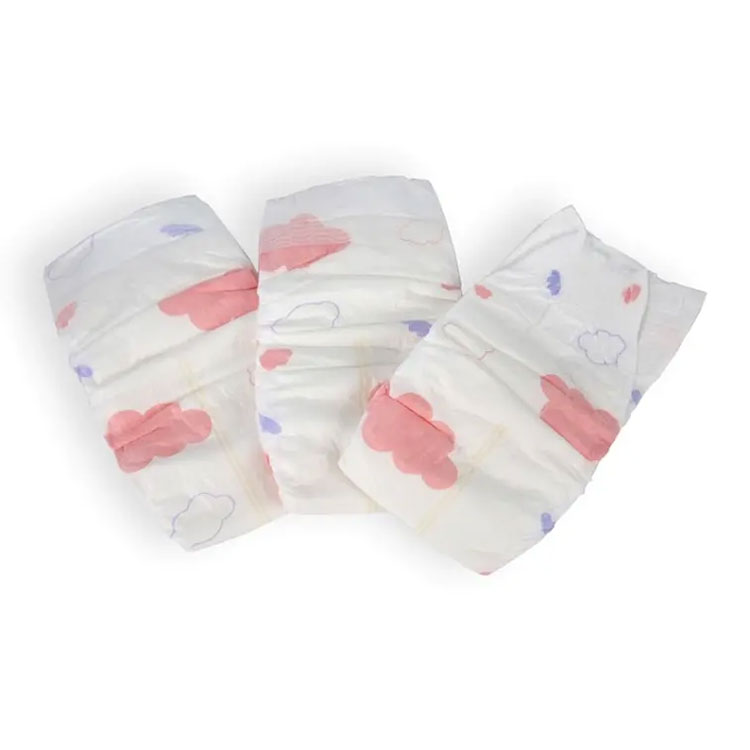
Organic infant diapers are created with materials free from chlorine, fragrances, dyes, and other harsh chemicals. Their design prioritizes the delicate skin of newborns while promoting environmental sustainability through biodegradable or recyclable components. Parents increasingly prefer organic diapers because they reduce the risk of rashes, irritation, and allergic reactions.
Ranjin focuses on producing organic diapers that combine soft natural fibers, superior absorption, and eco-friendly manufacturing practices to meet the needs of both babies and conscious parents.
Common Challenges for Parents
Even with the rise of organic diapers, parents often face several concerns:
-
Frequent diaper changes due to lower absorption
-
High cost compared to conventional diapers
-
Potential leakage during long sleep hours
-
Difficulty finding suitable sizes for different ages
-
Limited availability in local stores
-
Environmental impact of disposable products
Understanding these challenges helps parents select diapers that best balance performance, skin protection, and ecological responsibility.
Key Materials and Features
Organic diapers are distinguished by the quality of their materials and construction. Common components include:
-
Organic Cotton – Soft, breathable, and hypoallergenic
-
Biodegradable Absorbent Core – High absorption with reduced environmental impact
-
Plant-Based Film – Water-resistant layer made from renewable resources
-
Non-Toxic Adhesives and Dyes – Minimizes chemical exposure to infants
-
Adjustable Tabs and Elastic Waistbands – Ensures secure fit and comfort
How to Choose the Right Organic Diaper
Selecting the right organic diaper requires careful consideration of both baby-specific and lifestyle factors:
-
Baby’s age, weight, and activity level
-
Absorption capacity and frequency of changes
-
Skin sensitivity and allergy history
-
Eco-consciousness and preference for biodegradable materials
-
Cost efficiency for daily use
Ranjin provides detailed sizing guides, product specifications, and customer support to ensure parents make informed choices.
Organic Diaper Comparison Table
|
Feature
|
Ranjin Organic Diapers
|
Standard Organic Diapers
|
Conventional Diapers
|
|
Material
|
100% organic cotton, plant-based absorbents
|
Blended cotton, partially biodegradable core
|
Non-organic fibers, chemical additives
|
|
Skin Safety
|
Hypoallergenic, fragrance-free
|
Low irritation risk
|
Potential chemical sensitivity
|
|
Absorption
|
High, all-day protection
|
Moderate, frequent changes recommended
|
High, but may cause skin irritation
|
|
Environmental Impact
|
Biodegradable core and packaging
|
Partial biodegradability
|
Non-biodegradable, high waste footprint
|
Best Practices for Diaper Use
Proper use of organic diapers enhances performance and prolongs skin comfort. Key recommendations include:
-
Change diapers promptly after soiling to prevent rash
-
Follow weight-based sizing to prevent leaks
-
Store in a cool, dry place to maintain material integrity
-
Use natural wipes or warm water to minimize irritation
-
Monitor skin condition regularly for sensitivity
Quality Standards and Safety
High-quality organic diapers adhere to strict safety and performance standards. These include:
-
OEKO-TEX® certification for chemical safety
-
Biodegradability and eco-label compliance
-
Skin sensitivity testing for hypoallergenic claims
-
Absorption and leakage performance validation
Ranjin ensures every batch of diapers meets or exceeds international quality benchmarks, providing parents with trusted, reliable products.
Frequently Asked Questions
Are organic diapers safe for newborns?
Yes. Organic diapers use natural, non-toxic materials that are gentle on sensitive newborn skin.
Do organic diapers leak more than conventional diapers?
Not necessarily. High-quality organic diapers, like Ranjin’s, feature advanced absorption technology that reduces leakage risk.
Are they cost-effective?
While organic diapers may be slightly higher in price, their reduced irritation, reusability of materials, and environmental benefits make them a worthwhile investment.
Can organic diapers be disposed of safely?
Yes. Most organic diapers are biodegradable or compostable, minimizing landfill impact compared to conventional diapers.
Conclusion and Contact Us
Organic infant diapers provide a safe, comfortable, and eco-friendly alternative to conventional options. By understanding materials, absorption capabilities, sizing, and best practices, parents can choose products that protect both their baby’s health and the environment.
Ranjin is dedicated to delivering high-quality organic diapers that combine superior performance, skin safety, and environmental responsibility. To learn more about our products, request samples, or find the perfect solution for your baby, contact us today and experience the difference Ranjin brings to infant care.