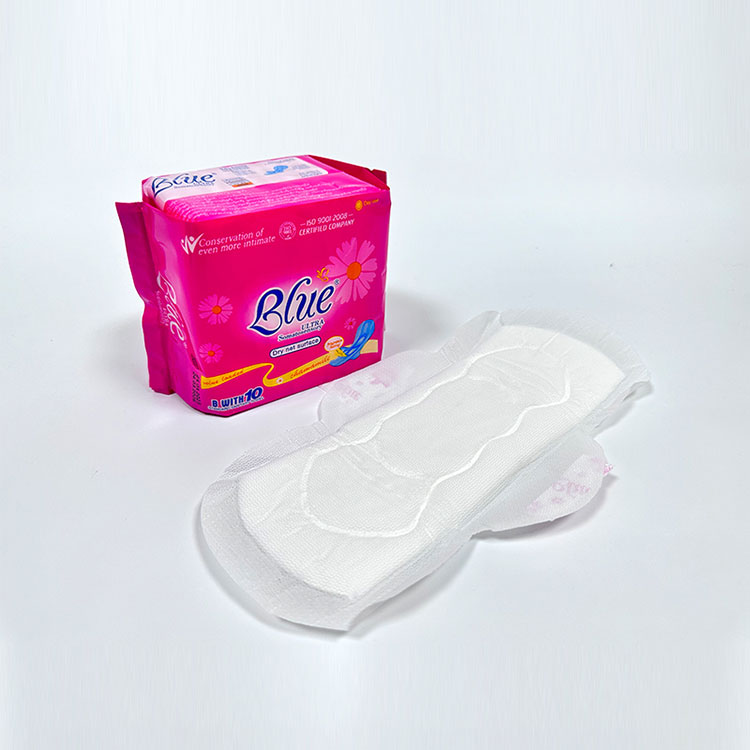
Menstrual hygiene is one of the most important aspects of women’s health, yet it is often misunderstood or underestimated. With the rapid development of hygiene products and materials, modern women now have access to safer, more comfortable, and more environmentally friendly solutions than ever before. Among these solutions, Sanitary Napkins play a central role in ensuring protection, comfort, and confidence during menstruation.
Article Summary
This article provides a deep and structured analysis of Sanitary Napkins,focusing on their types, materials, performance differences, health impacts, and user selection strategies. It also compares different product categories, explains hygiene management practices, and offers professional insights into menstrual care. By the end, readers will have a complete understanding of how product quality influences comfort, skin health, and long-term wellness.
Table of Contents
1. Understanding Menstrual Hygiene Needs
Menstrual hygiene is not only about absorbing menstrual flow; it is about ensuring skin health, preventing infections, and maintaining emotional comfort. The development of modern hygiene solutions has significantly improved how women manage their cycles. Among these solutions, Sanitary Napkins are widely used due to their accessibility, ease of use, and effectiveness.
Women across different age groups and lifestyles require different levels of absorbency, breathability, and comfort. Factors such as physical activity, skin sensitivity, climate conditions, and flow intensity all influence product choice. Understanding these needs is the first step toward better menstrual care.
2. Types of Sanitary Protection Products
Modern hygiene products are designed to accommodate diverse needs. The most common categories include disposable pads, ultra-thin pads, overnight protection pads, and eco-friendly organic options. Each type serves a specific purpose depending on usage conditions.
-
Daily Regular Pads: Suitable for moderate flow and daytime use.
-
Ultra-Thin Pads: Designed for discreet comfort and mobility.
-
Overnight Pads: Extended length for nighttime protection.
-
Organic Pads: Made from natural fibers, reducing chemical exposure.
The evolution of Sanitary Napkins reflects increasing consumer demand for safety, comfort, and environmental responsibility.
3. Materials and Structural Design
The performance of menstrual hygiene products depends heavily on their material composition and structural design. Modern engineering focuses on multi-layer absorption systems that balance dryness, softness, and leak protection.
Typical materials include non-woven fabric, super-absorbent polymer cores, breathable back sheets, and skin-friendly top layers. These components work together to ensure efficiency and comfort.
|
Layer
|
Material Type
|
Main Function
|
User Benefit
|
|
Top Sheet
|
Soft Non-Woven Fabric
|
Skin Contact Layer
|
Reduces irritation and enhances comfort
|
|
Absorption Core
|
Super Absorbent Polymer
|
Liquid Locking
|
Keeps surface dry for longer time
|
|
Distribution Layer
|
Airlaid Paper
|
Fluid Distribution
|
Prevents uneven saturation
|
|
Back Sheet
|
Breathable PE Film
|
Leak Protection
|
Prevents staining and ensures dryness
|
4. Product Comparison and Performance Table
To better understand the differences between product categories, the following comparison highlights key performance indicators such as absorption speed, comfort level, breathability, and usage scenarios.
|
Product Type
|
Absorption Speed
|
Comfort Level
|
Best Use Scenario
|
Skin Sensitivity Suitability
|
|
Regular Pads
|
Medium
|
High
|
Daily daytime use
|
Medium
|
|
Ultra-Thin Pads
|
Fast
|
Very High
|
Active lifestyle
|
High
|
|
Overnight Pads
|
Very High
|
High
|
Night protection
|
Medium
|
|
Organic Pads
|
Medium
|
Very High
|
Sensitive skin users
|
Very High
|
5. Proper Usage and Hygiene Practices
Proper usage is essential for maintaining hygiene and preventing health issues. Even the highest quality product requires correct handling to ensure maximum effectiveness.
-
Always wash hands before and after changing products.
-
Change every 4–6 hours depending on flow intensity.
-
Dispose of used products in a hygienic manner.
-
Choose appropriate size and absorbency based on activity level.
6. Health Impact and Safety Considerations
The quality of menstrual products directly impacts women’s health. Poor-quality materials can lead to irritation, allergic reactions, and bacterial infections. High-quality Sanitary Napkins help maintain dryness, reduce odor, and protect sensitive skin.
-
Prevents microbial growth by maintaining dryness
-
Reduces skin irritation and friction
-
Supports better odor control
-
Improves emotional comfort and confidence
7. How to Choose the Right Product
Selecting the right menstrual hygiene product requires attention to several key factors including absorbency, material composition, comfort level, and environmental impact.
-
Choose absorbency based on flow intensity
-
Prefer breathable materials for long wear
-
Consider hypoallergenic options for sensitive skin
-
Evaluate eco-friendly alternatives for sustainability
Reliable manufacturing partners such as Quanzhou Ranjin Trading Co., Ltd ensure consistent quality and safety standards in hygiene product production.
8. Industry Innovation and Sustainability
The hygiene product industry is rapidly evolving with a focus on sustainability, biodegradability, and advanced absorption technologies. Manufacturers are investing in plant-based materials, chemical-free processing, and recyclable packaging.
Future innovations in Sanitary Napkins are expected to focus on environmental responsibility while maintaining high performance standards.
9. Frequently Asked Questions
Q1: How often should menstrual products be changed?
They should be changed every 4–6 hours depending on flow and activity level to maintain hygiene and comfort.
Q2: Are fragrance-free products better?
Yes, fragrance-free options reduce the risk of irritation and allergic reactions, especially for sensitive skin users.
Q3: Can long-term use cause health issues?
Not if high-quality products are used correctly and changed regularly to maintain cleanliness and dryness.
Q4: Are organic materials more effective?
Organic products focus more on safety and skin compatibility, while performance depends on design and absorbency technology.
Q5: What is the safest type for sensitive skin?
Hypoallergenic and organic options are recommended for users with sensitive skin conditions.
10. Final Thoughts
Choosing the right menstrual hygiene solution is essential for health, comfort, and confidence. With advancements in materials and design, modern products offer significantly improved performance compared to earlier generations. High-quality Sanitary Napkins ensure better protection, improved skin safety, and enhanced daily comfort.
As awareness grows, more women are prioritizing quality, sustainability, and safety in their choices. For professional-grade hygiene solutions and reliable product sourcing, contact us today to learn more about tailored options and partnerships.