Ranjin explores disposable baby diapers as families seek better overnight dryness and comfort, focusing on how product design affects sleep quality and daily care routines.
For many families, nighttime diaper changes are one of the biggest challenges during early childhood. A baby who wakes frequently because of moisture, discomfort, or leakage can affect the rest of the household. As disposable baby diapers continue to develop, attention has shifted from simple absorbency to a combination of dryness, fit, skin comfort, and longer wearing performance.
Ranjin, supported by its hygiene product production experience, follows this changing demand through its focus on baby care products and intelligent manufacturing. With two self-owned hygiene factories established in 2009, the company operates production facilities covering more than 50,000 square meters with nearly 600 employees. Its product range includes baby diapers, baby pull up pants, adult care products, wet wipes, and other personal care items.
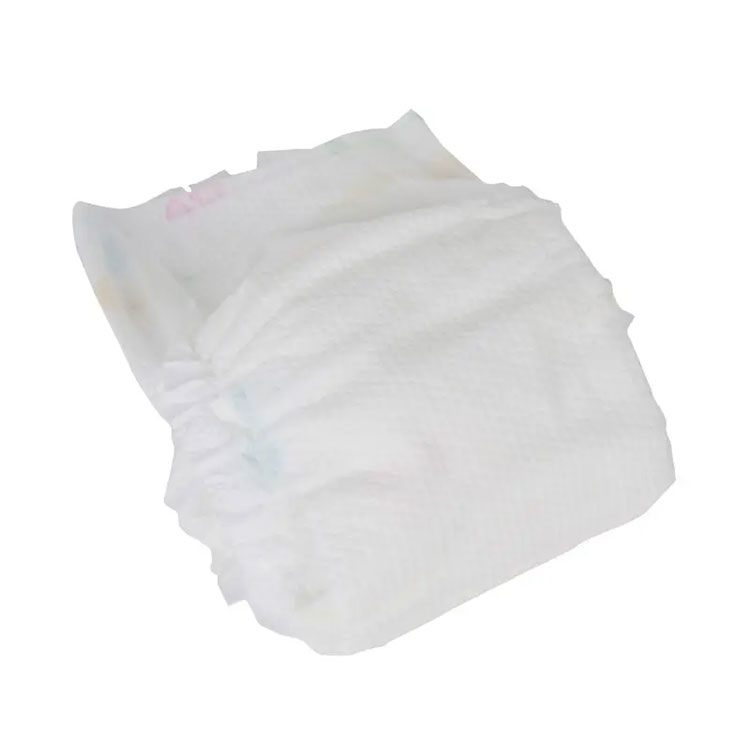
Why Overnight Dryness Has Become a Key Concern
A diaper does more than hold liquid. During nighttime use, several factors influence whether a baby remains comfortable until morning.
The main challenge is keeping moisture away from the skin while maintaining a soft feeling. Babies may stay in the same diaper for several hours, meaning the internal structure needs to manage repeated absorption rather than only handling a single use.
Modern disposable baby diapers are commonly designed around several functional areas:
|
Design Factor
|
How It Supports Nighttime Comfort
|
|
Absorbent core structure
|
Helps capture and distribute liquid to reduce wetness on the surface
|
|
Soft inner layer
|
Reduces friction during long wearing periods
|
|
Elastic waist and leg areas
|
Helps improve fit and reduce gaps that may cause leaks
|
|
Breathable outer layer
|
Supports airflow and helps reduce a humid feeling
|
These details explain why two diapers with similar sizes may provide different experiences. Comfort depends on how multiple layers work together.
What Causes Nighttime Diaper Leaks?
Leakage is often caused by more than the amount of liquid. A diaper may perform differently depending on the baby's movement, sleeping position, and fit.
Common reasons include:
1. Incorrect Size Selection
A diaper that is too small may create pressure around the waist and legs, while a larger size may leave spaces where liquid can escape. A balanced fit allows the absorbent area to work effectively without restricting movement.
2. Uneven Liquid Distribution
During long sleep periods, liquid needs to spread through the absorbent area instead of remaining concentrated in one place. Product structures designed for fast absorption can help reduce the chance of overnight wetness.
3. Limited Breathability
A warm and humid environment may make babies feel uncomfortable even when leakage does not occur. Breathable materials are increasingly considered an important part of diaper design because skin comfort involves more than dryness alone.
How Production Technology Influences Baby Care Products
Behind every diaper is a combination of material selection, automated production, and quality management. Ranjin's production system uses automated manufacturing and packaging equipment with controlled production processes across multiple facilities.
The company's production lines can achieve an output of more than 360,000 pieces per day per line, supporting consistent production standards for different hygiene products.
For disposable baby diapers, production consistency matters because small differences in material placement, sealing, or cutting accuracy may influence wearing performance.
|
Production Element
|
Practical Impact
|
|
Automated equipment
|
Helps maintain consistent product structure
|
|
Full process management
|
Supports stable quality control during production
|
|
Flexible customization capability
|
Allows different product specifications for various markets
|
|
Multiple hygiene product categories
|
Provides experience across baby and personal care fields
|
Beyond Absorption: The Changing Expectations of Baby Care
The development of baby care products reflects a broader change in family lifestyles. Parents today often look for products that reduce nighttime interruptions while also considering softness, convenience, and skin-friendly design.
This trend has encouraged companies to improve not only absorbent materials but also product shape, packaging methods, and production efficiency. Disposable baby diapers are no longer viewed only as a basic daily item; they represent a combination of comfort engineering and practical family care.
Ranjin's product portfolio, including brands such as Lovely Baby, Blue, Comfree, Baby Boss, DIMA, and MINI, covers different personal care categories and reflects the growing demand for more specialized hygiene products.
Final Thoughts
Nighttime dryness depends on a combination of absorption capacity, fit, breathability, and manufacturing precision rather than a single feature. As families continue to pay closer attention to sleep quality and baby comfort, disposable baby diapers remain an important area of product improvement. Ranjin continues developing hygiene products such as disposable baby diapers by combining automated production capabilities with experience from its hygiene care facilities.