Abstract
Disposable nursing pads are widely used in medical institutions, elderly care facilities, maternity centers, and home care environments. They are designed to protect bedding, furniture, and patient skin from moisture and contamination while improving hygiene standards and operational efficiency. This article provides a comprehensive analysis of disposable nursing pads, focusing on structure, materials, usage scenarios, selection criteria, and common concerns faced by buyers and caregivers. The goal is to help decision-makers and end users clearly understand how disposable nursing pads address real-world care challenges and support safer, more efficient daily care routines.
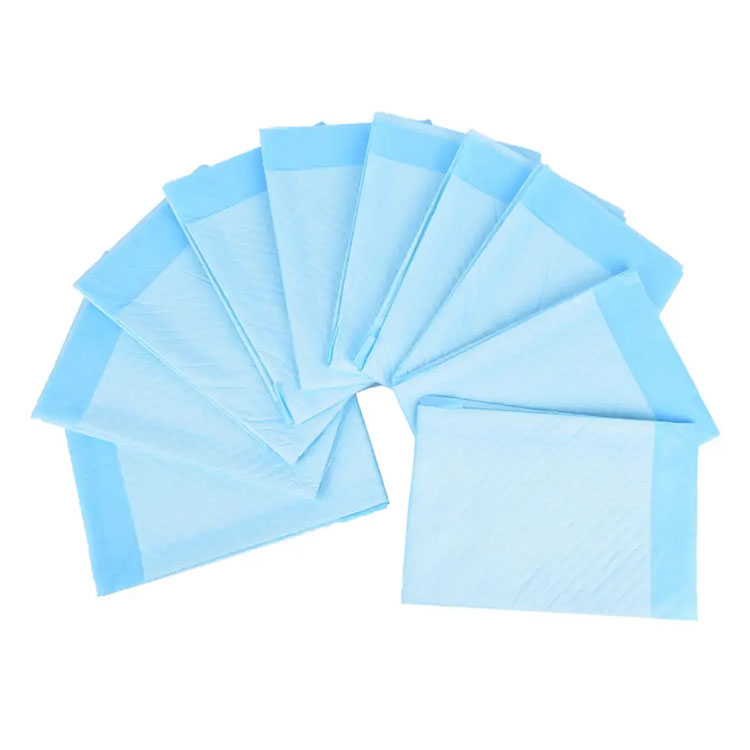
Table of Contents
Article Outline
-
Understanding the functional role of disposable nursing pads
-
Analyzing real care-related challenges faced by institutions and families
-
Exploring product structure, absorbency design, and material safety
-
Reviewing use cases across healthcare, elderly care, and home environments
-
Providing practical guidance for product selection and procurement
Disposable Nursing Pad Overview
A disposable nursing pad is a single-use absorbent hygiene product designed to manage fluids such as urine, blood, sweat, and other bodily liquids. It is typically placed on beds, chairs, wheelchairs, or examination tables to maintain cleanliness and reduce the risk of cross-contamination.
Unlike reusable fabric pads, disposable nursing pads are intended for one-time use, allowing caregivers to quickly remove and replace them without the need for washing or disinfection. This characteristic makes them particularly suitable for environments with high hygiene standards and fast-paced care routines.
Key Customer Pain Points in Nursing Care
Care providers and procurement managers often face several recurring challenges when managing daily nursing tasks:
-
Frequent bed and furniture contamination leading to increased laundry workload
-
Risk of skin irritation or infection caused by prolonged moisture exposure
-
High labor costs associated with cleaning and changing reusable bedding
-
Inconsistent absorbency performance across different products
-
Concerns about hygiene compliance in shared care environments
Disposable nursing pads are designed to directly address these issues by offering reliable absorbency, fast replacement, and standardized hygiene performance.
Product Structure and Material Composition
A high-quality disposable nursing pad is typically composed of multiple functional layers, each serving a specific purpose:
|
Layer
|
Function
|
|
Top Sheet
|
Soft non-woven material that allows liquid to pass through quickly while remaining gentle on skin
|
|
Absorbent Core
|
Combination of fluff pulp and absorbent polymers that lock in moisture effectively
|
|
Distribution Layer
|
Ensures even fluid spread to prevent pooling and leakage
|
|
Back Sheet
|
Waterproof PE film that prevents liquid from seeping onto surfaces
|
Manufacturers such as Ranjin focus on balancing absorbency capacity, comfort, and structural stability to ensure consistent performance across various care scenarios.
Common Application Scenarios
Disposable nursing pads are widely used across multiple sectors due to their versatility:
-
Hospitals and clinics for patient beds and examination tables
-
Nursing homes and rehabilitation centers for elderly and immobile patients
-
Maternity wards for postpartum care
-
Home care for individuals with limited mobility or incontinence needs
-
Emergency transport and first-aid situations
Their adaptability makes them an essential component of modern care systems where efficiency and hygiene are equally important.
Practical Benefits in Daily Use
Disposable nursing pads deliver several tangible advantages that directly improve care outcomes:
-
Reduced cleaning and laundry requirements
-
Improved infection control through single-use design
-
Enhanced patient comfort due to dry surface feel
-
Time savings for caregivers and nursing staff
-
Predictable cost control for institutions
These benefits contribute to smoother workflows and allow caregivers to focus more on patient interaction rather than maintenance tasks.
How to Choose the Right Disposable Nursing Pad
Selecting an appropriate disposable nursing pad requires careful evaluation of several factors:
-
Absorbency level based on expected fluid volume
-
Pad dimensions suitable for beds, chairs, or specific equipment
-
Skin-friendly materials to minimize irritation risks
-
Leak-proof backing performance
-
Consistency in manufacturing quality and supply reliability
Reviewing product specifications and usage scenarios helps ensure that the selected nursing pad meets both operational and comfort requirements.
Disposable vs. Reusable Nursing Pads
Understanding the differences between disposable and reusable nursing pads can support informed procurement decisions:
|
Aspect
|
Disposable Nursing Pad
|
Reusable Nursing Pad
|
|
Hygiene Control
|
High, single-use
|
Dependent on washing process
|
|
Labor Requirement
|
Low
|
High
|
|
Initial Cost
|
Lower per unit
|
Higher per unit
|
|
Convenience
|
Immediate replacement
|
Requires laundering
|
Frequently Asked Questions
Q: Are disposable nursing pads safe for sensitive skin?
A: Most high-quality disposable nursing pads use skin-friendly non-woven materials and are designed to minimize irritation when used correctly.
Q: How often should a disposable nursing pad be changed?
A: Replacement frequency depends on fluid volume and usage conditions, but pads should be changed promptly once saturated.
Q: Can disposable nursing pads be used on furniture other than beds?
A: Yes, they are commonly used on chairs, wheelchairs, sofas, and medical tables to provide surface protection.
Q: What sizes are typically available?
A: Disposable nursing pads are produced in various sizes to accommodate different beds, seating surfaces, and care needs.
Conclusion and Contact Information
Disposable nursing pads play a critical role in modern care environments by improving hygiene standards, reducing caregiver workload, and enhancing patient comfort. Through thoughtful material design and practical functionality, they effectively address common challenges faced in daily nursing and care routines.
As a professional manufacturer, Ranjin continues to develop disposable nursing pad solutions that align with real-world care requirements across medical, institutional, and home-use settings.
For detailed product information, customization options, or bulk procurement support, please feel free to contact us to discuss how disposable nursing pads can support your care operations more effectively.