Article Summary: This article provides a comprehensive guide to selecting the most comfortable newborn diapers. It covers key product specifications, expert recommendations, frequently asked questions, and practical tips for maintaining infant hygiene. By the end of this guide, caregivers will understand how to make informed choices to ensure newborn comfort and health.
1. Introduction to Comfortable Newborn Diapers
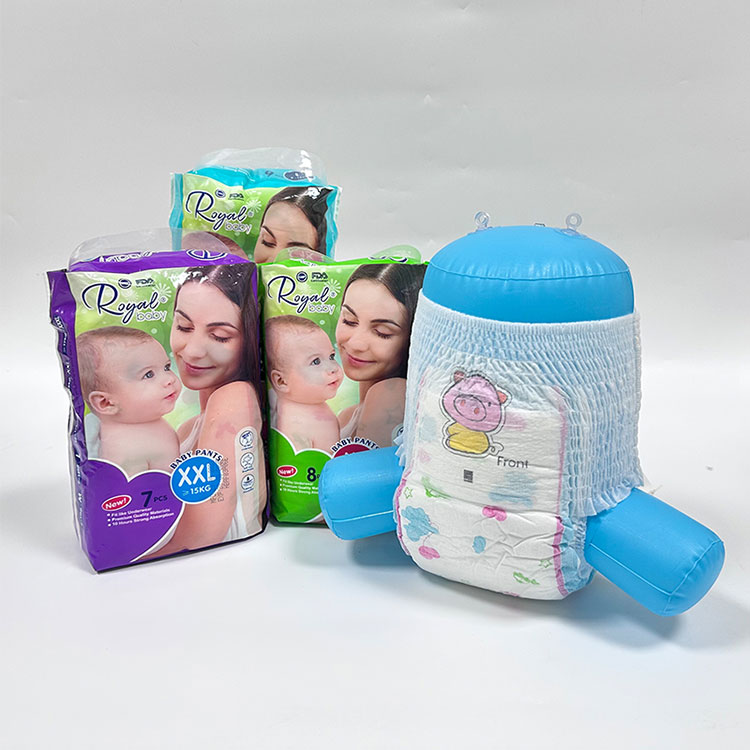
Comfortable newborn diapers are specifically designed to provide optimal hygiene, absorbency, and skin protection for infants during their early developmental months. Choosing the right diaper is crucial for preventing rashes, irritation, and ensuring the baby’s overall well-being.
Modern newborn diapers focus on softness, breathability, and secure fit to accommodate newborns' sensitive skin. They combine advanced absorbent cores, leak-proof barriers, and gentle materials that minimize discomfort and promote healthy skin conditions.
Key Product Specifications:
|
Parameter
|
Description
|
|
Material
|
Hypoallergenic soft cotton-like fabric, free of fragrances and dyes
|
|
Absorbency
|
Ultra-absorbent core capable of handling multiple wettings without leakage
|
|
Size Range
|
Preemie (1-3kg), Newborn (3-5kg), Small (4-8kg)
|
|
Design
|
Elastic waistbands, soft leg cuffs, wetness indicators
|
|
Breathability
|
Microporous top layer for air circulation to prevent diaper rash
|
|
Eco-friendly
|
Biodegradable components and minimal chemical additives
|
This guide will explore how to select, use, and care for comfortable newborn diapers to ensure maximum safety and comfort.
2. How to Select the Right Newborn Diaper?
Choosing the right newborn diaper involves understanding the baby’s skin sensitivity, body weight, and activity level. Parents often face challenges in determining which diaper balances comfort, protection, and convenience.
Factors to Consider:
-
Material Safety: Ensure diapers are made from hypoallergenic and breathable materials.
-
Size Fit: Select size based on baby’s weight to avoid leaks or skin chafing.
-
Absorbency: Check for high-performance absorbent cores for long-lasting dryness.
-
Ease of Use: Consider designs with adjustable tabs, wetness indicators, and flexible waistbands.
-
Skin Health: Prioritize diapers with moisture-wicking properties to prevent rashes.
Step-by-Step Selection Guide:
1. Assess Baby’s Weight: Use the provided size chart to select initial diapers.
2. Check Material Composition: Look for certified non-toxic materials.
3. Test for Fit and Comfort: Observe for any tightness or redness after wearing.
4. Evaluate Absorbency: Track wetness duration and frequency of changes needed.
5. Read Reviews and Expert Recommendations: Check for trusted brand ratings and parent feedback.
3. How to Maintain and Use Newborn Diapers Effectively?
Proper diaper maintenance is essential to prevent skin irritation, leakage, and odor. Understanding diaper care helps ensure newborn comfort throughout the day.
Best Practices for Using Newborn Diapers:
-
Regular Changes: Change diapers every 2–3 hours or immediately after soiling to maintain hygiene.
-
Cleaning Technique: Use gentle wipes or warm water to clean diaper area; avoid harsh soaps.
-
Skin Protection: Apply baby-safe barrier creams or ointments to prevent diaper rash.
-
Storage: Keep diapers in a dry, cool place away from direct sunlight to preserve quality.
-
Monitoring: Watch for skin redness, swelling, or irritation and switch products if necessary.
Tips for Extended Comfort:
Rotate between different diaper types to allow skin breathing. Opt for diapers with wetness indicators to reduce prolonged exposure to moisture. When traveling, carry disposable liners to maintain hygiene standards on-the-go.
4. Common Questions About Comfortable Newborn Diapers
Q1: How often should a newborn’s diaper be changed?
A1: Newborns typically require diaper changes every 2 to 3 hours, including nighttime. Immediate changes after urination or bowel movements help prevent rashes and maintain skin health. Overly extended wear can lead to irritation and bacterial growth.
Q2: How to ensure diapers do not cause rashes?
A2: Choose diapers made of hypoallergenic and breathable materials. Regularly change diapers, cleanse the skin with gentle wipes or water, and use protective creams. Ensure diapers are not too tight around the waist or legs to allow proper air circulation.
Q3: How to select the correct size for a newborn?
A3: Measure the baby’s weight and refer to the diaper size chart. Preemie, newborn, and small sizes are standard. A well-fitted diaper should sit snugly without leaving marks or gaps around the legs and waist, providing both comfort and leak protection.
5. Brand Highlight: Ranjin and Contact Information
Ranjin specializes in manufacturing high-quality comfortable newborn diapers with a focus on soft, hypoallergenic materials, superior absorbency, and innovative design. By incorporating advanced technologies, Ranjin ensures newborns experience the highest levels of comfort and protection.
For further inquiries, product purchases, or detailed consultation on selecting the best diapers for your baby, please contact us. Our team is dedicated to guiding caregivers through all aspects of newborn diaper care, ensuring optimal comfort and hygiene.